Khirbet Yarza ethnically cleansed to make way for ‘Crimson Thread’ wall
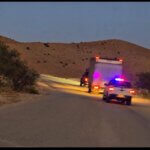
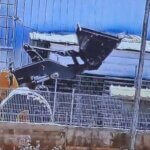
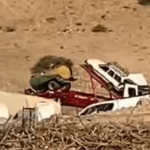
On 11th August 2026, months after residents were forcibly displaced, Israeli forces demolished an agricultural facility belonging to citizen Saeed Ahmed Saeed in Khirbet Yarza, located east of Tubas in the northern Jordan Valley.
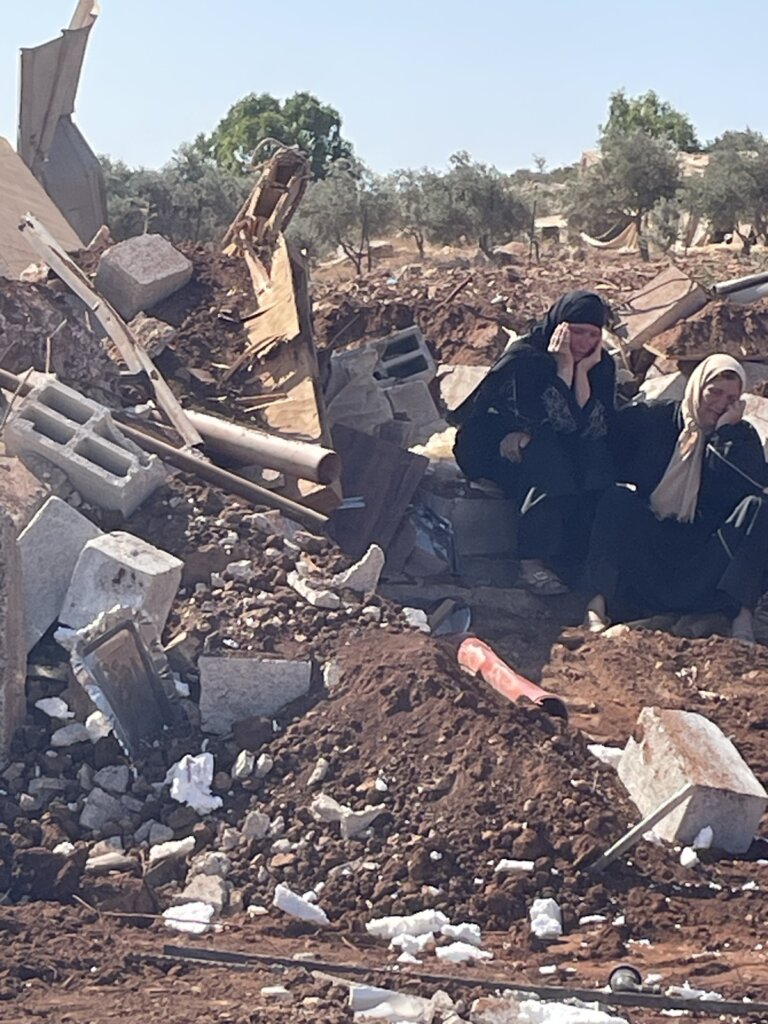
On March 8, 2026, Khirbet Yarza witnessed the forced displacement of 12 families comprising around 100 people, who were compelled to leave their homes and lands. The families left behind their mud-brick homes, inherited from their ancestors, as well as their farms, crops, and sources of livelihood that had been tied to the area for decades.
The displacement followed months of raids, attacks, and intimidation carried out by settlers and Israeli forces around the clock. As evidenced by residents’ testimonies, they were subjected to threats intended to force them to leave, while Israeli soldiers threatened to allow settlers to attack them if they refused to leave the area. The families were forced to leave under pressure, abandoning part of their belongings and agricultural structures that they were unable to dismantle and transport. The displaced families had no choice but to relocate to other areas around Tubas, facing difficult living conditions and fears of further harassment and displacement and becoming refugees in their own country.
The events in Yarza are linked to the “Crimson Thread” plan, which includes the construction of a military road and a separation wall approximately 22 kilometres long, along with the seizure of large areas of land.
Residents say the targeting of the area is not limited to their displacement, but also extends to their agricultural lands, structures, and inherited sources of livelihood.
Today’s demolition of the agricultural facility highlights the continued targeting of what remains of the property of Yarza’s residents, as part of a broader wave of displacement affecting Palestinian communities in the Jordan Valley and the eastern areas of the West Bank.